

Drunk, With Power
How alcohol can help you understand Epstein -- and everything else about power.

The addiction — whether alcohol or power — will always start to spiral out of control. As it does, the delusion gets harder and harder to maintain by yourself, so you need to bring in others to help you sustain it. That’s why your alcoholic friend gets nervous, then agitated, and then aggressive when you decline his offers of a cocktail at his party.
The alcoholic and the powerful both need complicity, and the addiction to power and abuse functions the same way. Read Epstein’s emails with this in mind, and he starts to sound much more like an evangelist rather than a rational actor. He was desperate to bring in more of the rich and powerful to his parties — who were, of course, just as desperate to be invited — so as to sustain their collective delusion of entitlement and impunity.
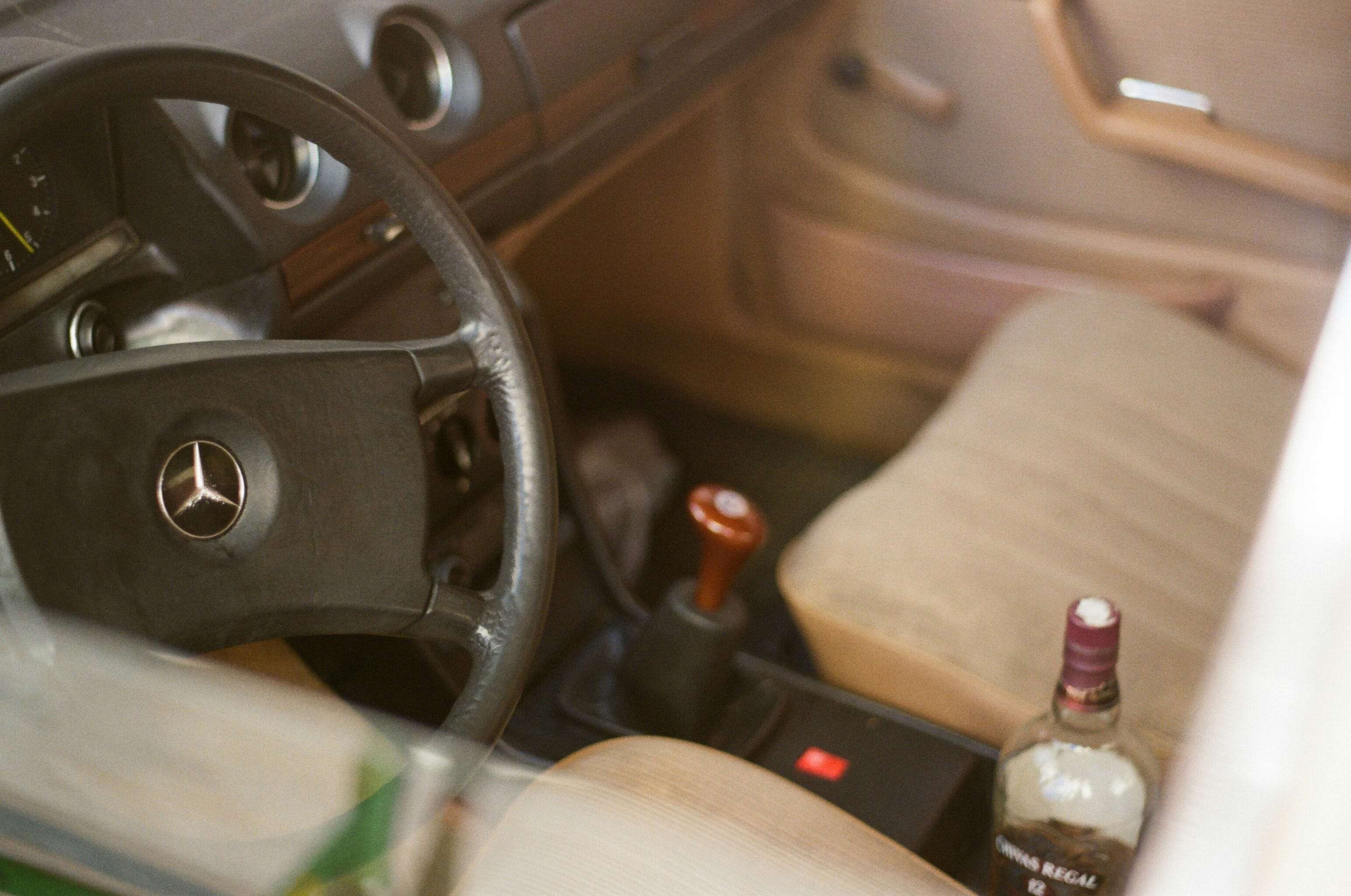
It’s been decades since you could really call me a drinker. In my early and mid-20s, I’d certainly drink myself to oblivion quite a few times each month, but by my late 20s, I’d found the aftereffects too annoying to continue. I realized I really disliked being hungover, and I especially loathed the fatigue and sluggishness of the day after. Also, though, I’d finally noticed I actually didn’t even like being drunk, and I’d find myself looking for a good cup of tea or drinking a lot of water to try to get out of that state as quickly as possible.
To be clear, I still drink occasionally, though “rarely” is a better way of putting it. Last year, I think I drank an average of one beer or its equivalent (but not wine — I really hate the stuff) per month in 2025, though it could have been even fewer. In fact, since moving to Europe, my body’s tolerance for alcohol has gotten so low that a single beer (IPAs being my favorite) is often enough to get me to the same point others need four or five beers to achieve.
Helping with that intolerance has been something I noticed immediately upon moving to France (and even more so moving to Luxembourg). Before immigrating here, but after having visited many times, I had concluded that Europeans have much better cultural methods of dealing with alcohol than Americans. After all, it’s much more integrated into their daily lives, and thus doesn’t have the forbidden allure it does in societies (like America) where teenagers aren’t allowed to touch the stuff.
But, well, no. Europeans just got better at keeping up the appearance of being “functional” while chained to the bottle than Americans ever did. I met more alcoholics in my first year of living in France than I’d known in the last ten years of living in the United States, but then I met more alcoholics in the first year of living in Luxembourg than I’d known my entire life.
Alcoholism is endemic here, but let me clarify what I mean by “alcoholic,” since I’m sure plenty of Europeans are already a bit upset by my statements. By it, I mean someone who cannot not drink. If the idea of trying to eat a lunch or dinner without a bottle of wine at the table (and another waiting for you when that first one is drained) makes you nervous, or if the word “apero” suddenly replaces a stress you didn’t notice you were feeling today with a sense of calm and excitement, and especially if you don’t remember an evening you went to sleep without having a drink, you fit into my definition.
Of course, Europeans (and tourists to Europe) tell themselves that this is all just part of the culture. That’s what I told myself, too, and I even, for a little while, tried to pretend I could keep up with it. But the longer I’ve lived here, the more alcoholics I’ve met, and watching the tragic ways in which their kids, partners, and extended families try to mitigate the damage their addictions cause is both heartrending and maddening.1
I could regale you with horrific stories, but what’s more relevant to what I’d really like to tell you about Epstein and the powerful is how agitated people here get when you decline a drink at a party or a dinner. I’ve been to countless events, not a few at which I was surrounded by politicians and gluttonously wealthy individuals, and at every single one, saying “non, merci” to a flute of Cremant sends both the host and the nearby guests into a flurry of anxious concern. At best, you’re left alone and not spoken to for the rest of the evening, or perhaps even offered some sparkling mineral water or fruit juice (the only alternatives typically on offer). But more often, you’re either interrogated about your health or faced with a barrage of increasingly aggressive demands to drink at least one.
To give you a sense of what this looks like on a grander scale here, consider the public and industry outrage when the government of Luxembourg decided to promote “Dry January” for the first time this year. Officially started by a UK charity in 2014, the campaign is quite straightforward. For thirty-one days, starting just after the drink-soaked holidays of December, one voluntarily abstains from alcohol as a kind of reset. No one was being forced to not drink, but you would have thought otherwise from the protests against it.2
Now, of course, you see here among the alcohol-addicted the same kind of self-comparisons as you do in American society. Those who don’t need their first drink until after work tell themselves they’re not like those who need their first drink by lunch, who, in turn, tell themselves they’re nothing like those who need their first drink by 11am, who think they’re better off than those who need it upon waking.
All of them, certainly, would claim their addiction is still manageable (assuming they even admit it to be an addiction). After all, they still have jobs, aren’t living on the streets or in shelters. The bottom rung of the alcoholic ladder, the homeless, stands forever for them as the lowermost limit to which they can descend. As long as they’re still showering, they’re good.
It’s an artificial difference, though.